
Featured
Why NDC Rep Candidate JY Yusuf Remains His Own Biggest Political Obstacle

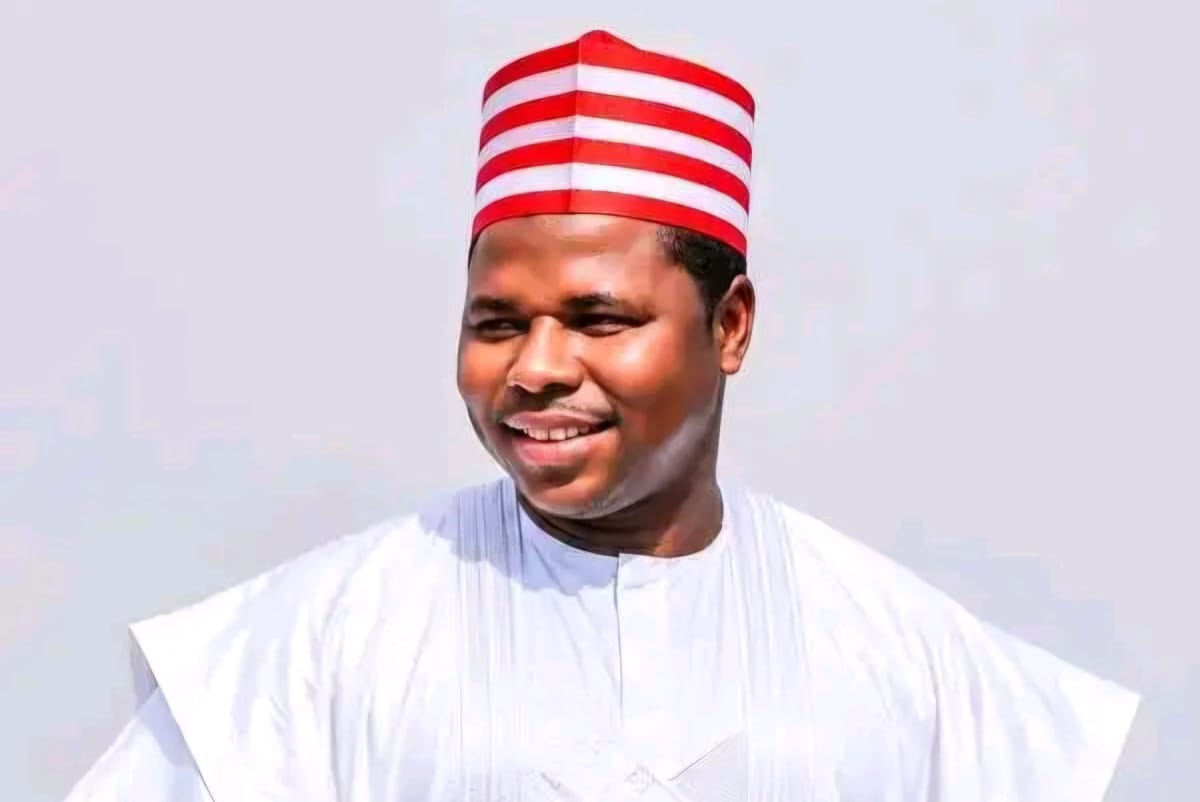
As political activities gradually gather momentum ahead of the 2027 general elections, the emergence of Dr. Yusuf Jibril (JY), a former Kano State Commissioner for Agriculture, as the Nigeria Democratic Congress (NDC) candidate for the Rano, Kibiya, and Bunkure Federal Constituency has not come as a surprise to many observers.
After all, this is not his first attempt to secure the seat. However, what remains surprising is his apparent failure to learn some of the fundamental lessons of grassroots politics despite years of political experience.
Politics is not merely about ambition. It is not about appearing on ballot papers every election cycle. It is about relationships, accessibility, empathy, and constant engagement with the people whose votes a candidate seeks. Unfortunately, these are areas in which many constituents believe JY has performed poorly.

Dr. Jibril rose through the ranks of youth politics, a background that ordinarily should have made him a champion of inclusion, consultation, and grassroots mobilization. Instead, many people perceive him as a politician who has distanced himself from the very communities he hopes will elect him.
One of the most persistent criticisms against JY is his alleged inability to build and sustain meaningful relationships across the constituency. Politics thrives on personal connections. Communities expect their leaders and aspiring representatives to share in their moments of joy and stand with them during difficult times. Yet, many constituents complain that JY is rarely visible when communities face challenges or celebrate achievements.
The Rano, Kibiya, and Bunkure Federal Constituency comprises more than 30 wards, each with its own unique concerns and political realities. However, critics argue that JY’s engagement appears to be limited to only a handful of wards. Such a narrow political reach raises serious questions about his understanding of the constituency he seeks to represent.

Some political observers even argue that JY has yet to demonstrate the level of grassroots penetration, political maturity, and constituency-wide engagement expected of someone seeking a seat in the House of Representatives.
According to these critics, his current political profile more closely resembles that of a ward-level politician than that of a federal lawmaker. They contend that effective representation at the national level requires a candidate with broad-based acceptance, deep community networks, and a proven record of engagement across all wards.
In their view, the constituency needs a politician with greater political calibre, commitment, visibility, and sustained interaction with the electorate, rather than one whose influence appears confined to limited areas.
A candidate seeking election to the House of Representatives is expected to maintain a presence across all corners of the constituency. Representation begins long before election day. It starts with listening to the people, understanding their concerns, and maintaining regular contact with them. Unfortunately, many voters struggle to identify tangible evidence of sustained engagement by JY.
Perhaps the greatest weakness of his political approach is communication. In modern politics, communication is not optional; it is essential. Before voters can support a candidate, they must know who he is, what he stands for, and why he deserves their trust. Effective communication creates familiarity, inspires confidence, and projects leadership.
Yet many political observers argue that JY has failed to establish strong communication channels with the electorate. His message is often absent from public discourse, while his interactions with constituents appear sporadic and insufficient. In a political environment where visibility and engagement determine electoral success, such shortcomings can prove costly.
A politician who does not communicate effectively leaves room for uncertainty, speculation, and voter apathy. Constituents want leaders who listen, respond, and remain accessible. They want representatives who can address misinformation, explain policy positions, and provide timely feedback on community concerns. These are not luxuries; they are basic expectations.
Responsiveness is another critical measure of political leadership. Voters want to feel heard. They want to know that their concerns matter. When politicians fail to engage with constituents, they create a perception of indifference. This perception, whether fair or not, often translates into political consequences at the ballot box.
Trust remains the currency of politics. Trust is earned through consistent actions, transparent communication, and a visible commitment to the welfare of the people. It cannot be demanded, and it certainly cannot be achieved through occasional appearances during election seasons.
As Dr. Yusuf Jibril embarks on yet another journey to the House of Representatives, he faces a difficult challenge. The constituency is no longer interested in titles, past appointments, or political slogans. The people want evidence of commitment, accessibility, and genuine concern for their welfare.
If JY hopes to convince voters in Rano, Kibiya, and Bunkure, he must first confront the growing perception that he remains disconnected from the grassroots. Elections are won through relationships, trust, and continuous engagement—not through ambition alone.
The electorate deserves a representative who is visible, responsive, and deeply rooted in the communities he seeks to serve. Whether JY can transform his political style to meet these expectations remains a question that only the voters can answer.
Buhari Abba writes from Unguwar Liman, Rano.


Democracy Day: Gov. Yusuf celebrates Kano people

Why NDC Rep Candidate JY Yusuf Remains His Own Biggest Political Obstacle

The Prophet’s Mosque,Al-Rawdah, And The Inner Peace Of The Visitor’s Mind

Breaking: New PMS Pump Prices Based On Dangote Pricing

Open letter to His Highness Aminu Ado Bayero, The 15th Emir of Kano–By Inuwa Waya

NBTE Grants Accreditation to 12 ABCOAD ND, HND Programs
-
 Business2 years ago
Breaking: New PMS Pump Prices Based On Dangote Pricing
-
 Featured1 year ago
Open letter to His Highness Aminu Ado Bayero, The 15th Emir of Kano–By Inuwa Waya
-
 Featured1 year ago
NBTE Grants Accreditation to 12 ABCOAD ND, HND Programs
-
 Featured3 years ago
Gov. Nasir swear-in 26 Newly appointed Commissioners in Kebbi