
Featured
Journalists, Researchers and Development Experts Call for Greater Focus on Impact Storytelling as ISDI Holds Founding Conversation

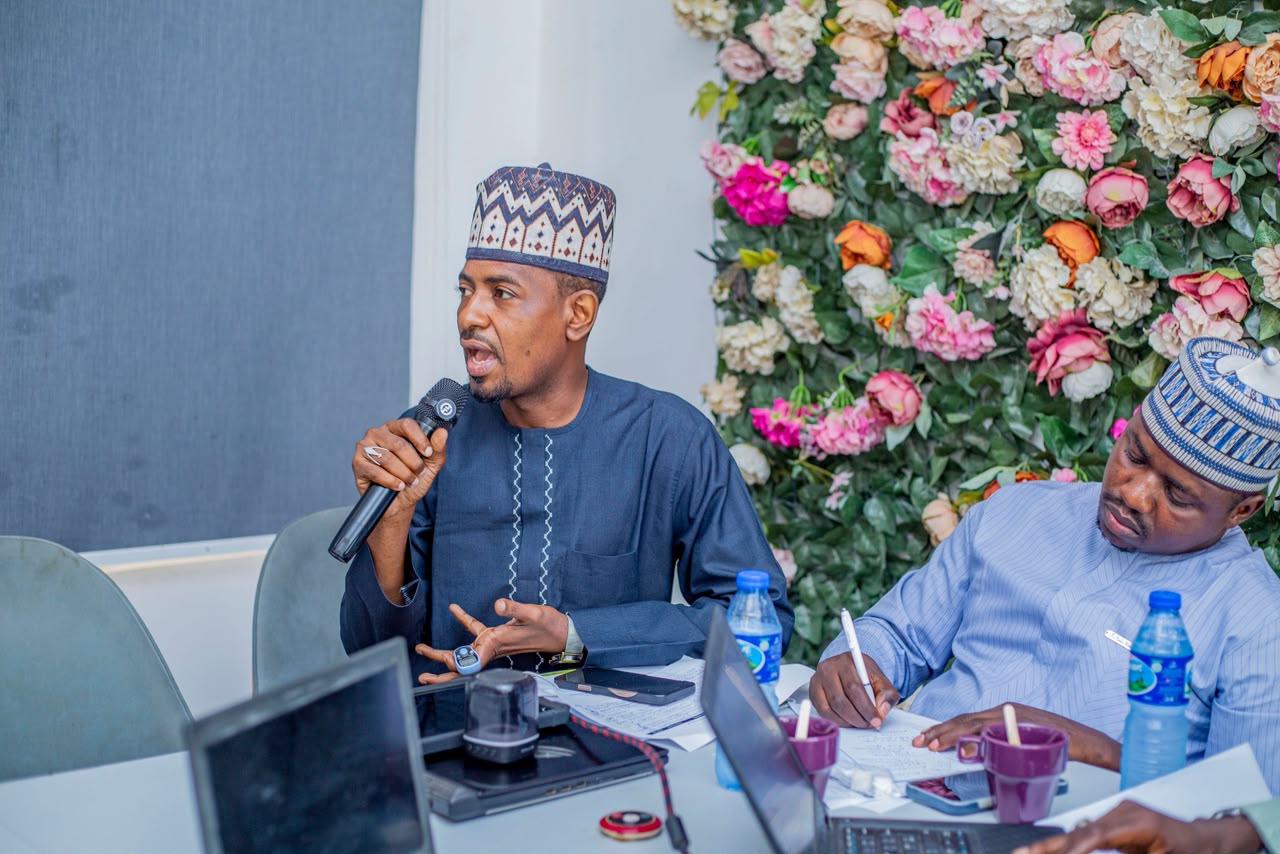
Journalists, filmmakers, researchers and development communication experts have called for a fundamental shift in how development is documented in Africa, urging media practitioners and development actors to move beyond reporting project implementation and focus on the tangible impact interventions have on people’s lives.
The call was made during The ISDI Founding Conversation, convened by the Impact Storytelling for Development Initiative (ISDI) in Kano under the theme: “Documenting What Changed: The Future of Evidence-Based Impact Storytelling in Africa.”
The invitation-only gathering officially introduced ISDI, an independent development communication and impact storytelling institution dedicated to documenting sustainable development through evidence-based journalism, documentary filmmaking, photography, research and strategic communication.
In his opening address, Founder and Executive Director of ISDI, Ibrahim Ayyuba Isah, said the institution was established to bridge the gap between development interventions and the human stories that demonstrate their real impact.
“Every development intervention has two stories. The first is the story of implementation. The second is the story of impact. While implementation tells us what was done, impact storytelling asks a more important question: What changed? ISDI exists to document that second story through evidence, community voices and ethical storytelling.”
Participants agreed that while governments, development agencies and civil society organizations invest significant resources in development programmes, many of the stories that demonstrate how those interventions transform lives remain untold.
Dr. Musa Sufi, Chief Executive Officer of SIDES Media, described ISDI as a timely initiative capable of expanding conversations around development.
“It is inspiring to see an initiative like this coming from Kano. ISDI has given us another opportunity to make an impact. It provides more people with the opportunity to join the conversation and contribute to meaningful change.”
Speaking on the role of solutions journalism, Musbahu El-Hamza, Solutions Journalist and Host of Fitila Podcast, said development communication must go beyond celebrating successes.
“Development stories do not only focus on what works; they should also examine what does not work and why. If someone tries to implement a solution and the intervention fails, who tells that story and explains why it did not work? That is equally important.”
The Head of News, Cool FM/Wazobia FM and Arewa Radio, Abdurrahman Isah, challenged journalists to move beyond urban centres in search of stories that truly matter.
“Building a school alone is not development. We can only call it development when it touches lives and improves the quality of life of the people living in those communities. That is the story journalism should be telling.”
He also stressed the importance of persistence in reporting, noting that meaningful change often comes through sustained follow-up journalism rather than one-off coverage.
For Nafisa Murtala Ahmed, Development Journalist and Head of Programmes at Express Radio, development storytelling begins with communities telling their own stories.
“We are not telling our own development stories or celebrating our community achievements. Development starts with you. When you develop yourself, you can then contribute to the development of your community.”
She added that journalists must move beyond reporting events to telling stories that connect with people’s lived experiences.
The Founder of KDC Foundation, Khalifa Dankadai, described impact storytelling as an important tool for strengthening accountability and sustainability in development.
“Impact storytelling ensures that we do not merely report implementation but critically examine what changed, what the situation was before the intervention and how it has improved since then. It helps hold donors, implementers and communities accountable while protecting the gains of development.”
Other contributors, including Dr. Najib Usman, Hannatu Suleiman, Hauwa Mustapha, Hayatuddeen Muhammad, Furera Isiaka and Umar Gombe, emphasized the importance of community engagement, inclusion, collaboration, research, follow-up reporting and evidence-based documentation in strengthening sustainable development across Africa.
The conversation concluded with a shared commitment to promote collaboration among journalists, researchers, filmmakers, development practitioners and communication professionals in documenting measurable change and amplifying community voices.
Looking ahead, ISDI announced plans to expand its work beyond storytelling through strategic partnerships, research, public dialogue and the establishment of the ISDI Academy, which will build the capacity of young people, women, content creators, photographers, filmmakers and journalists in evidence-based impact storytelling and documentary production.
About ISDI
The Impact Storytelling for Development Initiative (ISDI) is an independent development communication and impact storytelling institution dedicated to documenting sustainable development through evidence-based journalism, documentary filmmaking, photography, research, strategic communication and capacity building.
Guided by the question “What changed?”, ISDI works to amplify community voices, preserve development knowledge and strengthen accountability by documenting the measurable impact of development interventions across Africa.
Website: www.isdiafrica.org
Media Contact:
Ibrahim Ayyuba Isah
Founder & Executive Director
Impact Storytelling for Development Initiative (ISDI)
Email: [email protected]
ENDS


Journalists, Researchers and Development Experts Call for Greater Focus on Impact Storytelling as ISDI Holds Founding Conversation

Kotun A Gombe Ta Mayar Da Filin Mechanic Village Da Aka Yi Takaddama A Kai Ga Emir General Integrated LTD

Gombe Court Restores Mechanic Village Land to Emir General Integrated Ltd, Orders Demolition of Illegal Structures

Breaking: New PMS Pump Prices Based On Dangote Pricing

Open letter to His Highness Aminu Ado Bayero, The 15th Emir of Kano–By Inuwa Waya

NBTE Grants Accreditation to 12 ABCOAD ND, HND Programs
-
 Business2 years ago
Breaking: New PMS Pump Prices Based On Dangote Pricing
-
 Featured1 year ago
Open letter to His Highness Aminu Ado Bayero, The 15th Emir of Kano–By Inuwa Waya
-
 Featured1 year ago
NBTE Grants Accreditation to 12 ABCOAD ND, HND Programs
-

 Featured3 years ago
Gov. Nasir swear-in 26 Newly appointed Commissioners in Kebbi